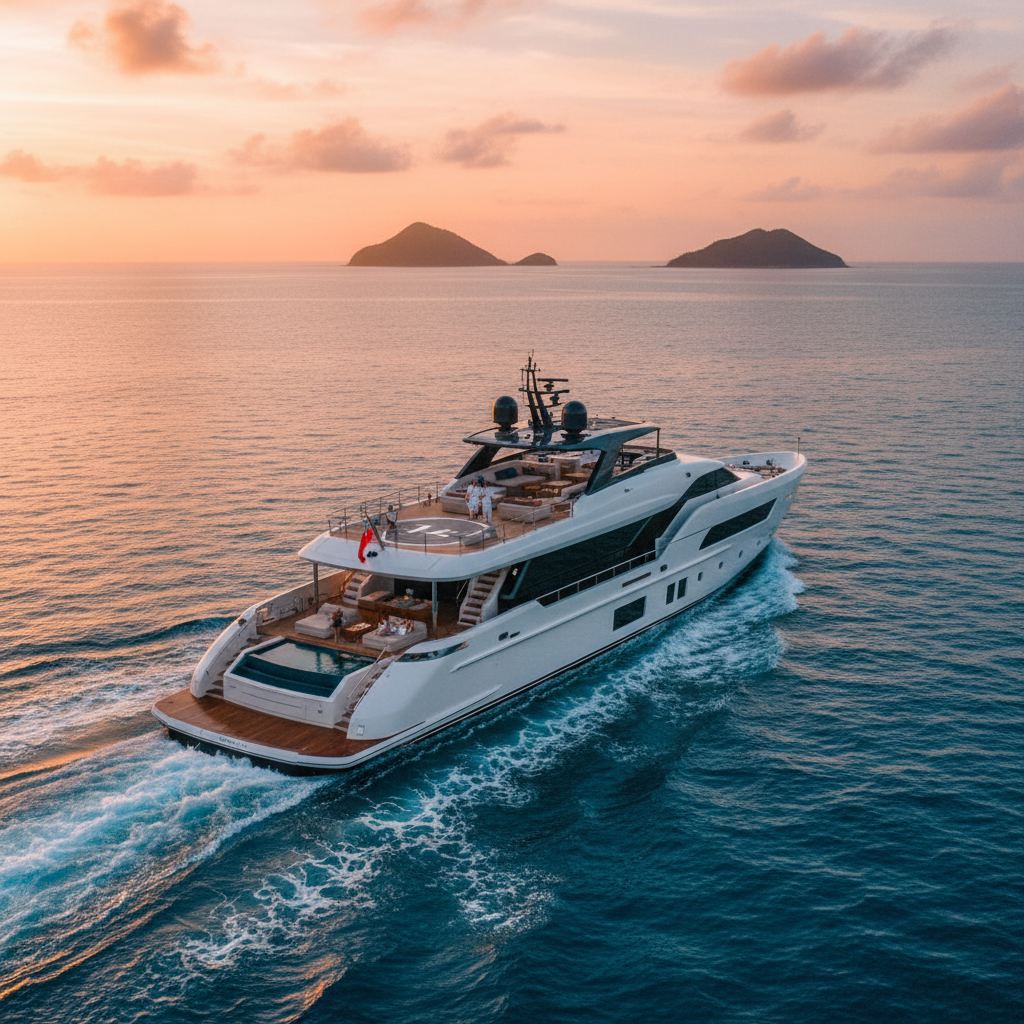
Do I Have to Worry About Seasickness on a Yacht Charter?
From yacht design to simple prevention tips, here is everything you need to know about seasickness on a luxury yacht charter.
For many first-time guests, one of the most common concerns before embarking on a luxurious yacht charter is the potential for seasickness. The good news, however, is tremendously reassuring: modern yachts, especially those in the YATR fleet, are meticulously engineered to provide an exceptionally smooth, stable, and undeniably comfortable experience. This means that, in the vast majority of cases, seasickness is simply not an issue that will detract from your serene escape.
At YATR, we understand that your peace of mind is paramount. Our commitment to providing unparalleled luxury yachting experiences extends to ensuring your absolute comfort on the water. While a concern is understandable, let's delve into why it’s rarely a problem and how effectively you can enjoy your voyage without a hitch.
1. Yacht Design Makes a Big Difference: Engineering for Stability
The evolution of yacht design has led to incredible advancements in stability. Luxury yachts today are not just exquisite in their aesthetics; they are masterfully built for stability, incorporating sophisticated hydrodynamics and advanced stabilization systems. These systems actively counteract the rolling motion caused by waves, making your journey feel more like gliding across the water than bobbing.
Catamarans, such as the magnificent 70' Sunreef, are inherently stable due to their twin-hull design. This dual-hull structure significantly increases the beam (width) of the vessel, distributing its weight over a larger surface area and dramatically reducing lateral motion. This makes them an excellent choice for those particularly sensitive to movement.
Similarly, monohull motor yachts like the sleek 60' Azimut and the spacious 68' Galeon are engineered with deep hulls and advanced balance systems, often including gyroscopic stabilizers. These gyros spin at high speeds to generate a precessional force that actively dampens roll, ensuring a remarkably stable ride even in moderately choppy conditions. When selecting your vessel for a yacht charter, understanding these design elements can further alleviate any concerns about motion sickness.
2. Calm Waters, Smooth Cruising: Strategic Destinations
One of the most significant factors in preventing seasickness is the choice of cruising grounds. Most yacht charters, particularly those enjoyed with YATR in South Florida and the Caribbean, take place in calm, protected waters. This includes serene bays, picturesque coastal routes, and tranquil inter-island channels. These areas are naturally shielded from the powerful forces of the open ocean, offering a much gentler maritime experience.
When you embark on a yacht charter with us, your captain will expertly navigate routes known for their placid conditions. Whether you're exploring the Florida Keys, cruising the Intracoastal Waterway, or island-hopping in the Bahamas, our captains meticulously plan itineraries to prioritize calm seas, maximizing your comfort and enjoyment. This strategic selection of cruising paths is a core component of our yacht charter tips for an effortless voyage.
3. Simple Tips to Prevent Seasickness: Proactive Comfort
While the likelihood of experiencing seasickness on a luxury yacht is low, being prepared can entirely eliminate any lingering worries. These practical yacht charter tips are universally helpful:
- Eat Light and Smart: Before boarding and during your journey, opt for light, non-greasy meals. Avoid heavy, fatty, or spicy foods that can upset your stomach. Simple snacks like crackers, toast, or fruit are excellent choices.
- Stay Hydrated, Mindfully: Drink plenty of water throughout the day. Dehydration can exacerbate motion sickness symptoms. While enjoying the luxury, try to limit excessive alcohol or caffeine intake, as these can also contribute to discomfort.
- Embrace the Fresh Air and Horizon: Spending time on deck, breathing in the fresh air, and focusing on the distant horizon can work wonders. Your brain uses visual cues to reconcile motion, and seeing a stable horizon helps recalibrate your sense of balance. Avoid reading or focusing on small objects indoors if you feel queasy.
- Natural Remedies at Your Fingertips: Many find relief with natural remedies. Ginger in various forms – ginger candies, ginger ale, or ginger tea – is a well-known anti-nausea aid. Acupressure wristbands, which apply gentle pressure to a specific point on the wrist, are also effective for many.
- Over-the-Counter Medication: For those who are particularly susceptible or prefer an extra layer of precaution, over-the-counter medications like Dramamine or Bonine (Meclizine) are highly effective. It's crucial to take these medications an hour or so *before* departure for them to be most effective. Always read the instructions and consider potential side effects like drowsiness.
Advanced Strategies for Ultimate Comfort
For those prone to motion sickness, consider these additional measures to ensure your luxury yachting experience is entirely pleasurable:
- Scopolamine Patches: These prescription patches are applied behind the ear and release medication over several days, offering continuous relief. Consult your doctor well in advance of your trip if you think this might be an option for you.
- Choosing Your Spot: The middle of the yacht, both side-to-side and front-to-back, experiences the least motion. If you feel unwell, try to relax in a central salon or cabin.
- Sleep it Off: Sometimes, a short nap in a comfortable, stable bunk can be the best remedy. Close your eyes and let your body reset.
4. Pick the Right Yacht and Duration: Tailoring Your Experience
If you know you're sensitive to motion, starting with a shorter yacht charter can be a wise decision. A day charter (typically 4-6 hours) allows you to experience the unparalleled luxury and freedom of yachting without committing to an overnight trip immediately. Many guests discover on a day charter that their concerns were unfounded, and they then confidently book longer excursions.
Discuss your concerns openly with the YATR team when planning your trip. We can recommend specific yachts known for their superior stability and suggest itineraries that prioritize calm waters and shorter cruising times between anchorages. This personalized approach is part of our commitment to exceptional service and ensures your yacht charter is perfectly tailored to your comfort and desires.
5. Communicate with Your Crew: Your Onboard Navigators of Comfort
Your professional YATR crew members are not just expert sailors; they are your dedicated hosts, trained to anticipate and address your every need. They are intimately familiar with the yacht and the local waters. If you feel even a hint of seasickness, communicate it immediately. They can take several actions to enhance your comfort:
- Adjusting Speed and Course: Sometimes, simply slowing down or altering the yacht's heading by a few degrees can significantly smooth out the ride.
- Changing Routes: The captain can adjust the navigation path to seek out more sheltered waters, finding natural barriers or channels that offer protection from swells.
- Anchoring in Calmer Waters: If conditions become unexpectedly choppy, the crew can anchor the yacht in a calm, protected cove or bay, allowing you to relax in stillness until you feel better.
Beyond active adjustments, the yachts themselves are designed to aid recovery. Most feature air-conditioned cabins for a cool, dry retreat, shaded lounge areas for relaxation away from direct sun, and plush sunpads for ultimate comfort. Your crew can also offer light snacks, ginger ale, or ice packs to help soothe any discomfort.
Frequently Asked Questions About Seasickness on a Yacht Charter
Q: Is seasickness more common on certain types of yachts?
A: Catamarans, with their dual hulls, generally offer superior stability compared to monohulls of similar length. However, modern monohull motor yachts equipped with advanced gyroscopic stabilizers are exceptionally stable too. It often comes down to the specific yacht's stabilization technology rather than just its type.
Q: Can I get seasick if the yacht is anchored?
A: It's highly unlikely to experience seasickness when a yacht is anchored in calm waters. If there's a gentle swell, some very sensitive individuals might feel a slight motion, but it's usually negligible. The greatest risk is during active cruising in choppier conditions.
Q: Does alcohol make seasickness worse?
A: Yes, alcohol can dehydrate you and upset your stomach, both of which can worsen seasickness symptoms. It's advisable to limit alcohol consumption if you are prone to motion sickness.
Q: Will my luxury yacht charter be ruined if I get seasick?
A: Absolutely not! The YATR crew is highly experienced in handling such situations with discretion and care. With proactive measures and the crew at your service, any discomfort can be quickly addressed, allowing you to return to enjoying your voyage. The emphasis on smooth cruising and preventative measures means most guests never experience it.
Embark on Your Serene Voyage with YATR
The allure of a luxury yachting experience is undeniable – the shimmering turquoise waters, the gentle sea breeze, and the unparalleled freedom. Don't let a lingering concern about seasickness prevent you from experiencing this dream. At YATR, we go above and beyond to ensure every aspect of your yacht charter is effortless and exquisitely comfortable.
From our meticulously maintained fleet featuring cutting-edge stabilization to our expert crew and carefully curated itineraries in calm waters, every detail is designed for your peace of mind. Your journey with us promises to be one of pure relaxation and unforgettable memories.
Ready to cast off your worries and embark on an extraordinary adventure? Plan your ultimate yacht charter with YATR today. Contact us to discuss your preferences and let us craft the perfect, stable, and sublime escape for you.
Stay in the Loop
Get the latest yachting news & deals
No spam, unsubscribe anytime.